
The Science of Mind-Body Healing & Nervous System Regulation
While I am trained in Pain Reprocessing Therapy (PRT), my approach is integrative. I believe that long-term healing requires looking beyond just the symptoms to the underlying nervous system patterns, emotional history, and the way the brain processes safety and threat.
How Emotional Processing Helps Chronic Pain & Mind-Body Symptoms
If you’re dealing with chronic pain, fatigue, IBS, migraines, or symptoms that don’t fully make sense, you may be wondering: “What if something deeper is going on?”
If you’ve tried medical treatment and still feel stuck, you’re not alone.
Chronic symptoms are often connected to patterns in the brain and nervous system—including how emotions are processed (or not processed) over time.
Are Chronic Symptoms Connected to Emotions?
Yes—often in ways that aren’t obvious.
Chronic symptoms can be influenced by:
nervous system dysregulation
chronic stress
learned pain pathways
emotional patterns that haven’t been fully processed
This doesn’t mean your symptoms are “in your head.”
It means your body has learned protective responses that can continue even when the original trigger is no longer present.
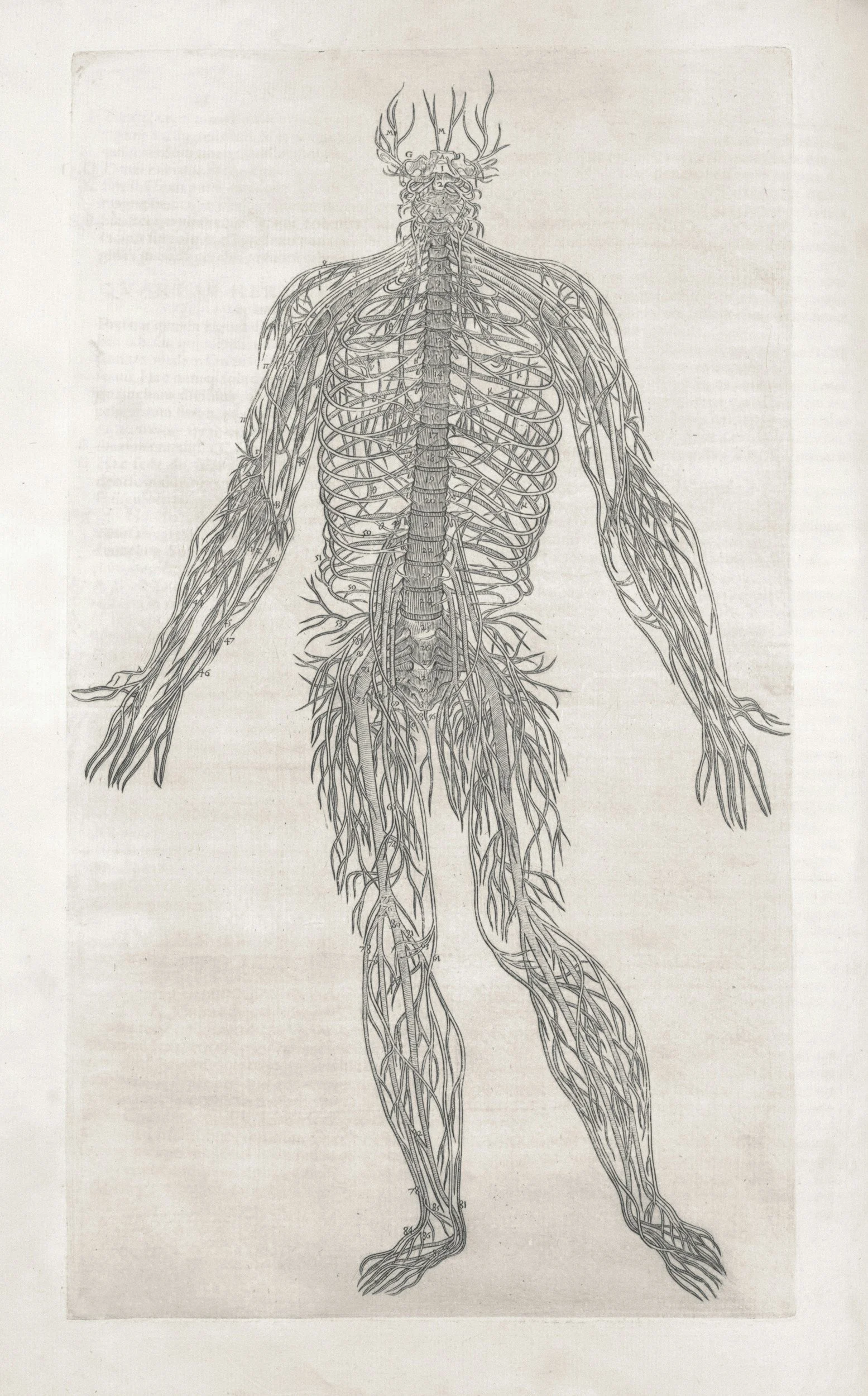
Understanding the Brain-Body Connection
Chronic pain is often a 'software' issue rather than a 'hardware' issue. Through a combination of Pain Reprocessing Therapy and emotional processing, we work to retrain the brain’s response to safe signals that are being misinterpreted as danger.
By addressing the neuroplastic pathways of pain, we can lower the nervous system's high-alert state and decrease physical sensations like tension, buzzing, or localized pain.

Why Emotional Processing Matters for Chronic Pain
When emotions aren’t fully processed, the nervous system can stay stuck in patterns of:
Activation (anxiety, tension, hypervigilance)
Shutdown (fatigue, numbness, brain fog)
Cycling between both
Over time, this can contribute to:
chronic pain
fatigue
digestive issues (IBS)
headaches or migraines
pelvic pain
other mind-body symptoms
Emotional processing helps the system shift out of these patterns—so symptoms no longer need to persist.
Who This Approach Helps Most
This work may be a good fit if:
You’ve tried multiple treatments and still feel stuck
You understand mind-body concepts but can’t apply them
Your symptoms come in cycles
Stress or emotional experiences seem to trigger symptoms
You tend to push through, avoid, or disconnect from how you feel

Do You Have to Relive Trauma?
No.
This work is:
gradual
collaborative
grounded in safety
We focus on what your system is ready for—not forcing anything.
For many people, this process is subtle and happens over time.
You Don’t Have to Figure This Out Alone
Many people begin healing through books and resources.
But support can help when:
you feel stuck
emotions feel overwhelming
or you’re unsure how to move forward
Next Steps
If this resonates, you can:
Your Body Is Not Working Against You
Your symptoms are not random.
They are part of patterns your nervous system learned for a reason.
With the right support, those patterns can change.
What Is Emotional Processing?
Emotional processing is the ability to experience and move through emotions in a way that allows the nervous system to return to baseline.
It is not:
overanalyzing your past
forcing yourself to feel things
or reliving traumatic experiences
Instead, it involves:
noticing emotional experiences in the body
allowing them to move without suppression or overwhelm
helping the nervous system complete responses that were interrupted
How This Work Looks in Therapy
In our work together, we may:
explore how your symptoms connect to nervous system patterns
build your capacity to stay present with emotional and physical experiences
gently process underlying emotional patterns
work with your body’s responses as they shift
This approach integrates nervous system regulation, emotional processing, and trauma-informed care.